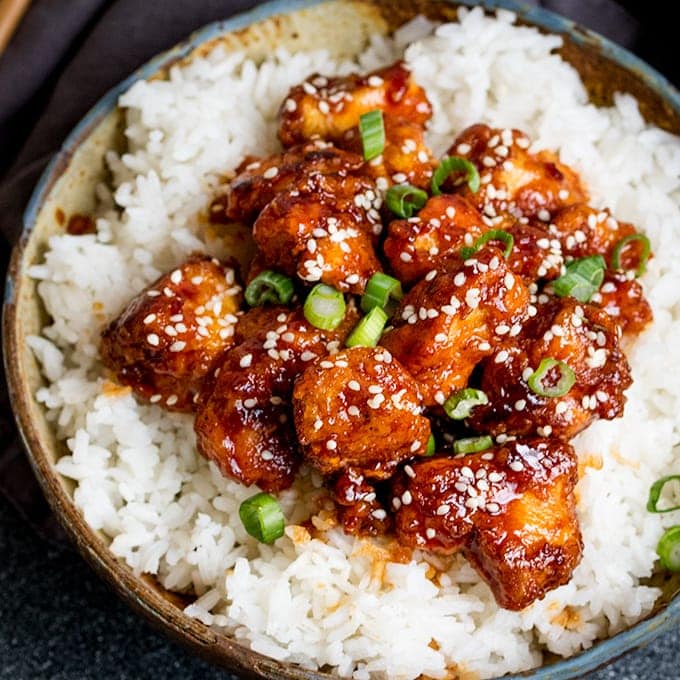
Sticky Asian Chicken Recipe: 4-Ingredient Flavor for Dinner
The siren song of takeout can be undeniably strong, especially after a long day when the thought of cooking feels like another chore. We've all been there – scrolling through menus, contemplating the usual suspects, and then facing the inevitable guilt of a less-than-healthy, often expensive meal. But what if we told you that restaurant-quality, incredibly delicious sticky Asian chicken could be on your dinner table with just four core ingredients and minimal effort? This isn't just another homemade sticky Asian chicken; it's a revelation that will transform your weeknights.
Imagine tender chicken, coated in a glistening, sweet, savory, and subtly spicy glaze, bursting with aromatic flavors. This isn't a fantasy for the skilled chef; it's an achievable reality for anyone looking to enjoy healthier, cheaper, and profoundly satisfying meals at home. Forget the greasy containers and mystery ingredients; this sticky Asian chicken recipe delivers all the satisfaction without the compromise, proving that homemade truly is better.
Why You'll Fall in Love with This 4-Ingredient Sticky Asian Chicken
The appeal of this particular sticky Asian chicken recipe lies in its sheer simplicity and spectacular results. It addresses common weeknight dinner dilemmas head-on:
- Effortless Preparation: The beauty of a 4-ingredient marinade is that it eliminates complexity. No obscure spices, no lengthy prep. You likely have most of these staples in your pantry already.
- Healthier Than Takeout: When you cook at home, you control the ingredients. You can opt for lower-sodium soy sauce, adjust sugar levels, and use fresh, high-quality chicken. This makes for a meal that's delicious without leaving you feeling heavy or guilty.
- Budget-Friendly: Let's face it, takeout adds up. Recreating your favorite dishes at home, especially with simple ingredients, is significantly more economical. You get more food for your money and often better quality.
- Unforgettable Flavor: Despite its simplicity, this marinade delivers a powerful punch. The synergy of salty, sweet, aromatic, and spicy notes creates a deeply satisfying profile that truly rivals any restaurant dish. The "sticky" aspect isn't just a texture; it's a flavor-delivery system that adheres to every succulent piece of chicken.
- Weeknight Warrior: The genius of this recipe is its make-ahead potential. A little prep the night before (marinating) means you can simply pop it in the oven after work, allowing you to kick back while dinner cooks itself.
Unlocking the Magic: The 4-Ingredient Sticky Asian Marinade
The heart and soul of this incredible dish lie in its deceptively simple, yet incredibly potent marinade. It's a masterclass in how a few well-chosen ingredients can create a symphony of flavor. While the core consists of four essential components, we'll explore how they work and offer a couple of optional additions to elevate your dish even further.
The Core Four: Sweet, Savory, Aromatic, and Spicy
- Soy Sauce (Savory & Umami): This forms the backbone of the marinade, providing a deep, salty, umami richness that is quintessential to Asian cuisine. For a healthier option, consider using low-sodium soy sauce.
- Brown Sugar or Honey (Sweetness & Stickiness): The sweet element is crucial not just for flavor balance but also for creating that desirable sticky, caramelized glaze as the chicken cooks. Brown sugar offers a slightly richer, molasses-like sweetness, while honey brings its own unique floral notes and impressive stickiness. You can use either, or even a combination.
- Garlic & Ginger (Aromatic Foundation): While technically two ingredients, fresh garlic and ginger are an inseparable aromatic duo in Asian cooking. They infuse the chicken with a pungent, fresh, and slightly zesty aroma that permeates every bite. Don't skimp on these; fresh is always best!
- Chili Flakes (Spicy Kick): For that perfect touch of heat that awakens the palate without overwhelming it, chili flakes are your go-to. You can adjust the quantity to suit your personal preference, from a subtle warmth to a fiery zest.
Optional Game-Changers:
- Gochujang (Korean Chili Paste): If you want to elevate the spicy element to something truly special, consider swapping out chili flakes for a tablespoon of Gochujang. This fermented Korean chili paste offers a complex profile that is spicy, sweet, savory, and deeply umami, with a unique depth that simple chili flakes can't quite replicate. Once considered a specialty item, Gochujang is now widely available in most major supermarkets, making it an accessible secret weapon for your Asian-inspired dishes.
- Toasted Sesame Oil: A drizzle of toasted sesame oil (just a teaspoon or so) added to the marinade imparts a wonderful nutty aroma and flavor, enhancing the overall Asian profile.
- Rice Vinegar: A touch of rice vinegar (1-2 teaspoons) can add a subtle tanginess that brightens the flavors and balances the richness, preventing the dish from becoming overly sweet or savory.
The beauty of this simple marinade is that it not only infuses incredible flavor but also helps to tenderize the chicken, making it incredibly succulent. This two-in-one action is what truly sets this sticky Asian chicken recipe apart.
Mastering Your Sticky Asian Chicken: Tips for Perfection
Achieving perfectly tender, flavorful, and gloriously sticky chicken is easily within reach with a few key techniques. These tips, gleaned from countless successful kitchen experiments, will ensure your sticky Asian chicken recipe turns out restaurant-worthy every single time.
1. The Golden Rule of Marinating: Time is Your Friend
While you can get away with marinating for a minimum of 3 hours, for truly outstanding results, plan ahead and let your chicken soak in that delicious marinade overnight in the fridge. This extended period allows the flavors to deeply penetrate the meat and the ingredients like soy sauce to work their magic, tenderizing the chicken fibers. Make sure your chicken pieces are fully submerged, and give them a turn occasionally to ensure every surface is coated.
2. Choosing the Right Chicken Cut
For the juiciest, most flavorful results with a delightful sticky skin, we highly recommend using bone-in, skin-on chicken legs and thighs. The bone helps to conduct heat evenly, keeping the meat moist, while the skin crisps up beautifully and readily absorbs the sticky glaze. If you prefer to use boneless, skinless thighs, they will still be delicious, but you'll want to reduce the cooking time by approximately 10-15 minutes to prevent them from drying out.
3. Cooking Methods: Choose Your Adventure
This versatile sticky Asian chicken recipe can be adapted to several cooking methods, each offering slightly different results:
- Baking (Oven): This is arguably the easiest and most hands-off method. Preheat your oven to the recommended temperature (typically around 400°F/200°C) and bake until cooked through. Baking allows for even cooking and a gradual caramelization of the glaze.
- Broiling: If you're short on time and want a quick crisp, broiling is an option. Keep a close eye on the chicken, as the high heat can quickly burn the sugary glaze. This method is best for finishing, or for thinner cuts of chicken.
- Pan-Frying (Stovetop): For a quick dinner with a fantastic sear, pan-frying in a cast-iron skillet or heavy-bottomed pan works wonderfully. Ensure the chicken pieces aren't overcrowded to allow for proper browning and caramelization. You might need to finish them in the oven if they are thick cuts to ensure they cook through.
4. The Art of Basting
Don't skip basting! Halfway through baking or pan-frying, spoon some of the glorious marinade (that hasn't touched raw chicken, or boil it first to make it safe) or the rendered pan juices over the chicken. This not only adds more flavor but also helps to build that incredible, glossy, sticky glaze that gives the dish its name.
5. Temperature Control is Key
To avoid dry chicken and ensure food safety, always use a reliable meat thermometer. Chicken is safely cooked when it reaches an internal temperature of 165°F (74°C) in the thickest part. The cooking times provided in any recipe are guidelines; your thermometer is the ultimate judge for perfectly done, juicy chicken.
Beyond the Plate: Delicious Serving Suggestions
Once your sticky Asian chicken is ready, glistening and aromatic, the only question left is what to serve alongside it to complete the meal. The beauty of this dish is its versatility; it pairs beautifully with a range of simple sides that complement its rich flavors without competing.
- Rice: A classic pairing! Fluffy jasmine rice, nutty brown rice, or even a quick sticky rice are perfect for soaking up every last drop of the delicious sauce.
- Noodles: For a heartier option, serve with a simple stir-fried noodle dish or a fresh Asian noodle salad, as suggested by our initial inspiration.
- Steamed or Roasted Vegetables: Balance the richness with vibrant greens. Steamed broccoli, asparagus, bok choy, or roasted green beans tossed with a touch of sesame oil are excellent choices.
- Simple Salad: A crisp green salad with a light vinaigrette can provide a refreshing contrast.
- Garnishes: Elevate the presentation and add an extra layer of flavor with fresh garnishes like toasted sesame seeds, chopped green onions (scallions), or a sprinkle of fresh cilantro.
Consider making a little extra marinade to reduce into a thicker sauce while the chicken rests – perfect for drizzling over rice and chicken for an extra burst of flavor.
Conclusion
Say goodbye to expensive, often unhealthy takeout and hello to your new weeknight hero: the 4-ingredient sticky Asian chicken recipe. This dish proves that incredible flavor and effortless cooking can go hand-in-hand. With just a handful of accessible ingredients and a little marinating time, you can create a meal that's healthier, cheaper, and undeniably more satisfying than anything you'd order in. So, next time the takeout craving hits, resist the urge and embrace the joy of creating this sensational sticky Asian chicken in your own kitchen. Your taste buds, and your wallet, will thank you.
